

The process of turning an original idea into a real product is a complicated yet fascinating process, especially in the field of manufacturing. Among the diverse methods that facilitate this transformation, lamination machines for paper extrusion play a crucial role. They are designed to bond sheets of paper with plastic films, enhancing durability and functionality while supporting sustainability. As the need for sustainable packaging solutions grows, the value of high-performing and high-quality lamination processes cannot be neglected.
A paper extrusion lamination machine manufacturer specializes in creating these cutting-edge machines, which are vital for various industries, from food-related packaging to textiles. The procedure begins with a idea, driven by the needs of fabricators and end-users alike. Through rigorous design and engineering, these manufacturers create machines that not only improve production efficiency but also guarantee product quality. This piece delves into the process of these custom machines, shedding understanding on the intricate workings, difficulties, and advancements that shape the manufacture of paper extrusion lamination machines.
Grasping Paper Coextrusion Lamination
Paper extrusion laminating is a process that unites paper and synthetic materials alongside various substances to generate a durable, waterproof product. The approach entails the application of a thermoplastic resin onto face of the paper, successfully enhancing its features. The result is a composite material that retains the artistic attributes of pulp and gains the performance characteristics of plastic, including improved strength and protection to outside conditions.
The equipment used in this method are intricate and demands precision engineering to guarantee a premium outcome. A pulp coextrusion lamination device usually consists of an extrusion unit, laminating unit, cooling system, and reeling unit|component). Every part plays a crucial function in guaranteeing the efficient adhesion of the substrates. Custom Packaging Machinery Manufacturer heats the resin and coats it on the pulp, as the laminating section laminates the two together under controlled conditions to secure maximum adhesion.
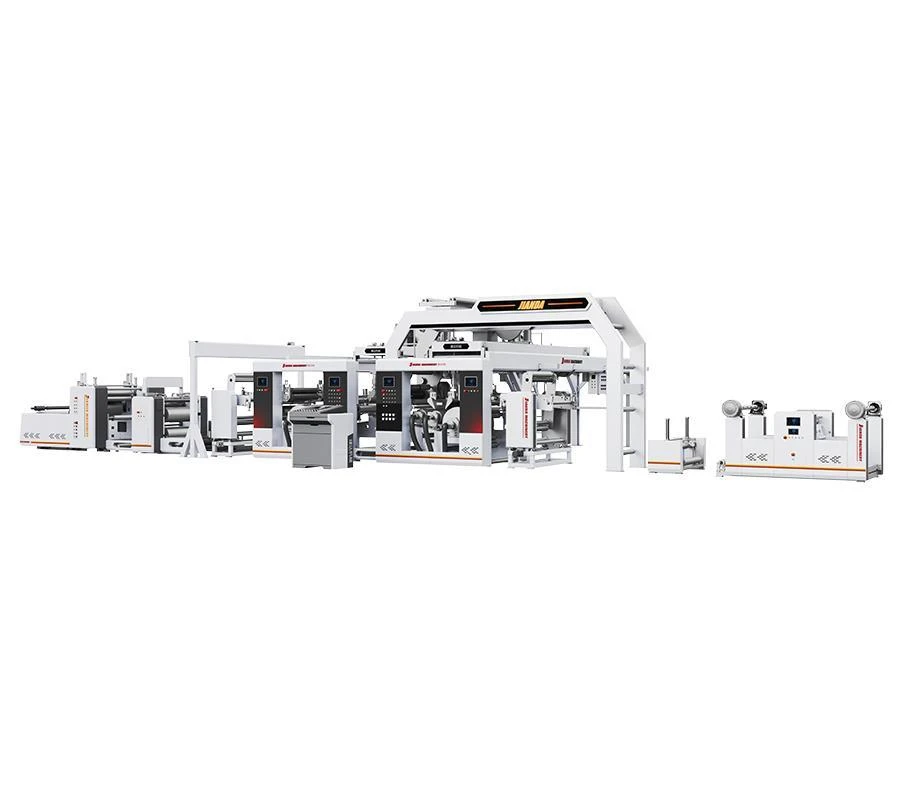
Given the growing requirement for eco-friendly wrapping solutions, paper coextrusion lamination has gained popularity among producers. This process offers a means to create flexible goods that meet environmental standards and providing outstanding protective features. Through understanding the details of pulp coextrusion laminating, fabricators can develop and develop new solutions that cater to the changing industry demands.
Main Attributes of Lamination Machines
These machines are created with a variety of key features that boost their efficiency and efficacy in the production process. One of the foremost attributes is their capacity to achieve rapid production while maintaining precise control over heat and force. This accuracy is critical for guaranteeing the caliber of the lamination, allowing manufacturers to produce consistent and robust materials appropriate for various applications.
A further, vital feature is the adaptability of the machines, which can work with various materials such as paper, plastics, and films. This flexibility allows a individual machine to cater to diverse production needs, making it a essential asset for manufacturers. Additionally, modern models may feature automatic feeding systems and tension management, which streamline operations and minimize manual intervention, thus improving overall productivity.
Furthermore, current lamination machines usually include easy-to-use controls and automated systems that encourage operational simplicity. Features such as interactive screens and preset options enable operators to quickly modify parameters for multiple production runs. The inclusion of safety mechanisms and real-time monitoring systems also contributes to safer and more reliable operations and reduced downtime, allowing manufacturers can depend on their equipment for continuous production operations.

Advancements in Manufacturing Processes
The realm of paper extrusion lamination machine manufacturing has changed significantly with the arrival of innovative tech and novel methods. Producers are increasingly adopting automated systems to simplify production processes and boost accuracy. Paper Extrusion Lamination Machine Manufacturer are deployed for tasks such as handling materials and quality control, allowing for greater efficiency and lessening the dependence on manual labor. This shift not only cuts production costs but also improves the total quality and reliability of the output.
Moreover, sustainable practices are gaining traction within the field. Many paper extrusion lamination machine producers are emphasizing on sustainable production methods, incorporating reusable materials and eco-friendly adhesives. Advancements in design have led to machines that minimize waste and energy consumption while providing high performance. This focus to eco-friendliness not only addresses the increasing need for green products but also fits with global efforts to lower carbon footprints.
In addition to automation and sustainability, developments in digital technology are transforming how machines are created and operated. https://www.jiandajx.com/ are utilizing big data and IoT solutions to track machine functionality in real time. https://www.jiandajx.com/category/non-woven-fabric-woven-fabric.html facilitates predictive maintenance, reducing downtime and improving reliability. The use of machine learning algorithms allows for persistent optimization of the lamination method, resulting in improved end-product quality and higher production rates. These advancements are raising the bar in the manufacturing of paper extrusion lamination machines, preparing manufacturers to tackle the obstacles of an constantly evolving market.